Roof Inspection Services in Chicagoland
Whether you're dealing with a recurring leak, storm concerns, an aging roof, or simply want a clearer understanding of your roof’s condition, a professional roof inspection helps eliminate uncertainty before small issues become larger expenses.
Durable Roofing Co. provides residential and commercial roof inspections throughout the southwest suburbs of Chicago with a focus on documentation, clear recommendations, and long-term roof performance.
Durable Roofing Co. provides residential and commercial roof inspections throughout the southwest suburbs of Chicago with a focus on documentation, clear recommendations, and long-term roof performance.
 Residential & Commercial Roof Inspections
- Since 1917 — 4th Generation Roofing Company
- Photo Documentation & Condition Reporting
- Repair vs Replace Guidance Without Pressure



What Does a Roof Inspection Include?
A roof inspection is a professional evaluation designed to identify roofing damage, drainage issues, active leaks, aging materials, flashing failures, moisture concerns, and signs of future roof failure.
Residential and commercial roof inspections may include:
- Roofing material condition review
- Flashing inspection
- Drainage evaluation
- Leak source identification
- Roof penetration assessment
- Storm damage observations
- Ventilation concerns
- Rooftop HVAC interaction review
- Structural concern observations
- Photo documentation
- Repair recommendations
- Maintenance recommendations
- Replacement guidance when applicable
The goal is to provide clear documentation and realistic next-step recommendations based on the actual condition of the roofing system.
What Can a Roof Inspection Help Identify?
A professional roof inspection can help identify:
- Active roof leaks
- Storm-related damage
- Drainage problems
- Flashing failures
- Aging roofing materials
- Hidden moisture issues
- Ventilation concerns
- Repair vs replacement considerations
- Remaining roof lifespan concerns
Both residential and commercial roof inspections help property owners make more informed roofing decisions before problems become more expensive.
Residential & Commercial Roof Inspections
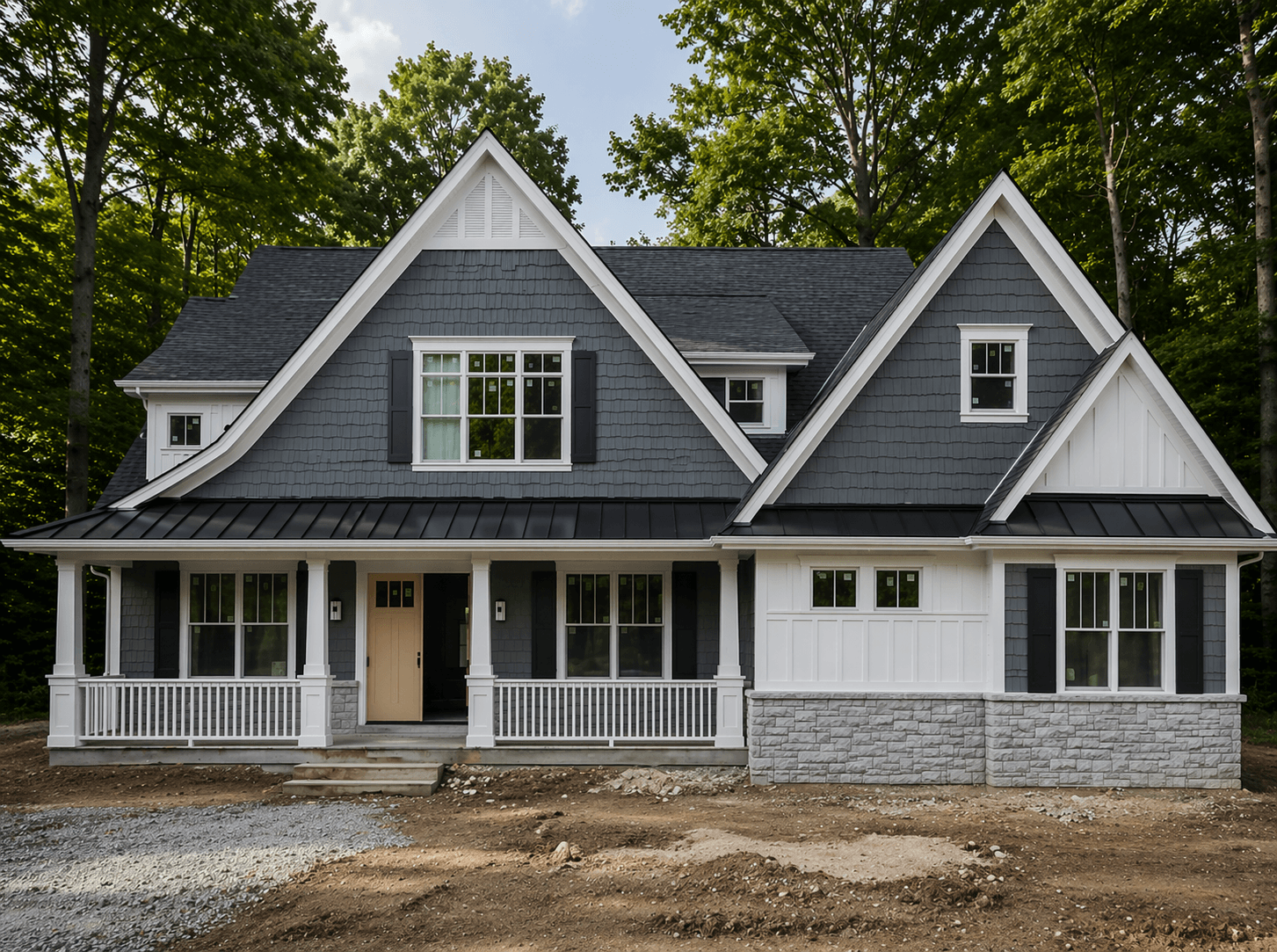
Residential Roof Inspection
For residential roofs in Tinley Park, Orland Park, Frankfort, Homer Glen, New Lenox, and surrounding areas, roof inspections provide clarity before making major roofing decisions.
Homeowners commonly schedule inspections for:
Homeowners commonly schedule inspections for:
- Aging roofs
- Storm concerns
- Active leaks
- Home purchases or sales
- Insurance documentation
- Preventative maintenance
- Repair vs replace decisions
Our inspections focus on identifying the actual condition of the roof system so homeowners can make informed decisions without unnecessary pressure.
Commercial Roof Inspection
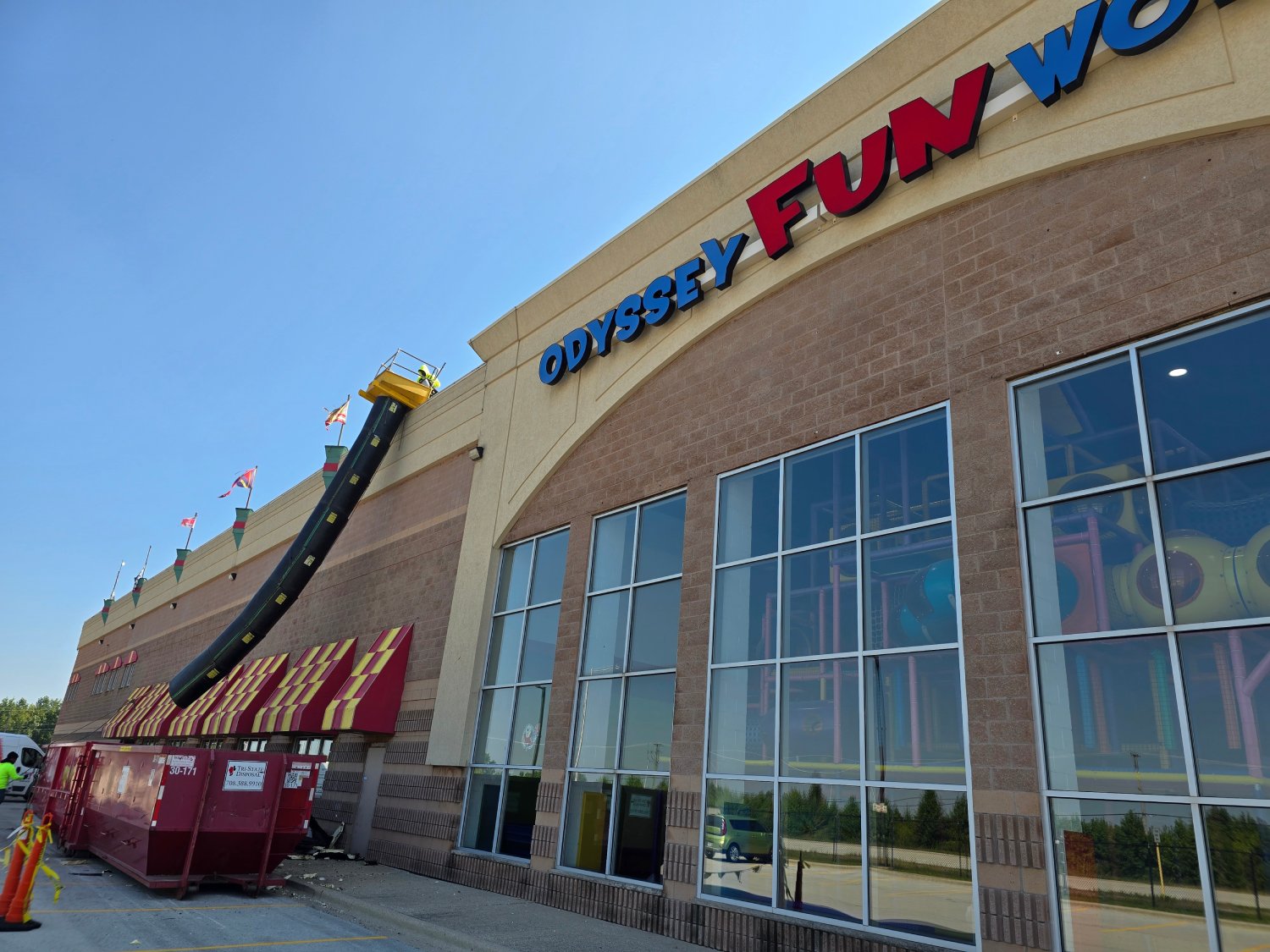
Commercial roof inspections are often driven by risk reduction, maintenance planning, documentation, budgeting, and operational protection.
Durable Roofing Co. works with:
Durable Roofing Co. works with:
- Property managers
- Facility directors
- Industrial property owners
- HOA boards
- Asset managers
- Multi-unit properties
Commercial inspections may include:
- Membrane condition evaluation
- Drainage analysis
- Flashing and penetration review
- Rooftop HVAC interaction review
- Leak source documentation
- Moisture-related concerns
- Maintenance recommendations
- Photo documentation for ownership groups
For commercial roofs in Bedford Park, Bolingbrook, Naperville, Joliet, and Romeoville, inspections are often as much about documentation and planning as they are about identifying current roofing issues.
When Should You Schedule a Roof Inspection?
Roof inspections are commonly recommended for:
Roofs over 10–15 years old
Properties with recurring leaks
Buildings after major storms
Homeowners preparing to sell
Buyers evaluating a property purchase
Commercial buildings entering budgeting season
HOA boards planning future projects
Annual preventative maintenance planning
Roofing Problems a Roof Inspection Can Identify
A professional roof inspection may uncover issues such as:

Missing or lifted shingles
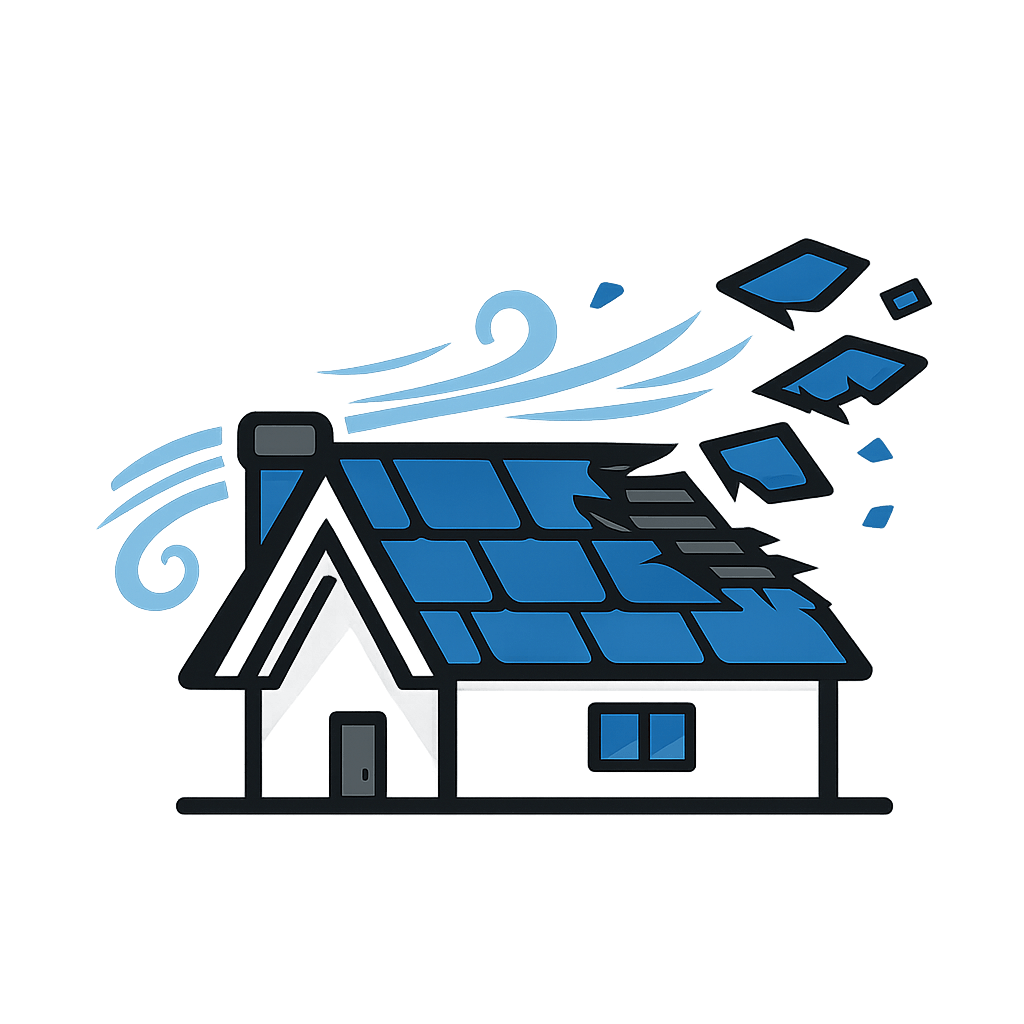
Wind damage
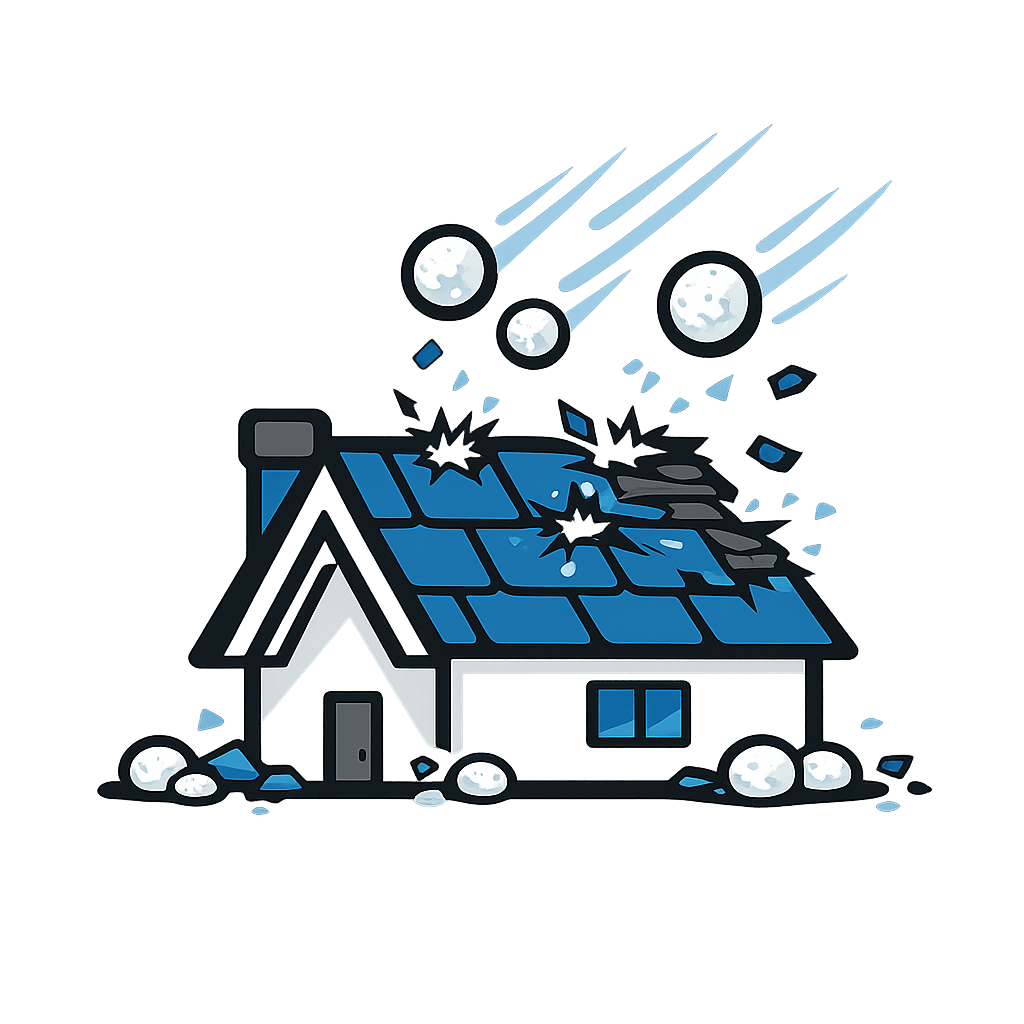
Hail impact damage

Membrane punctures
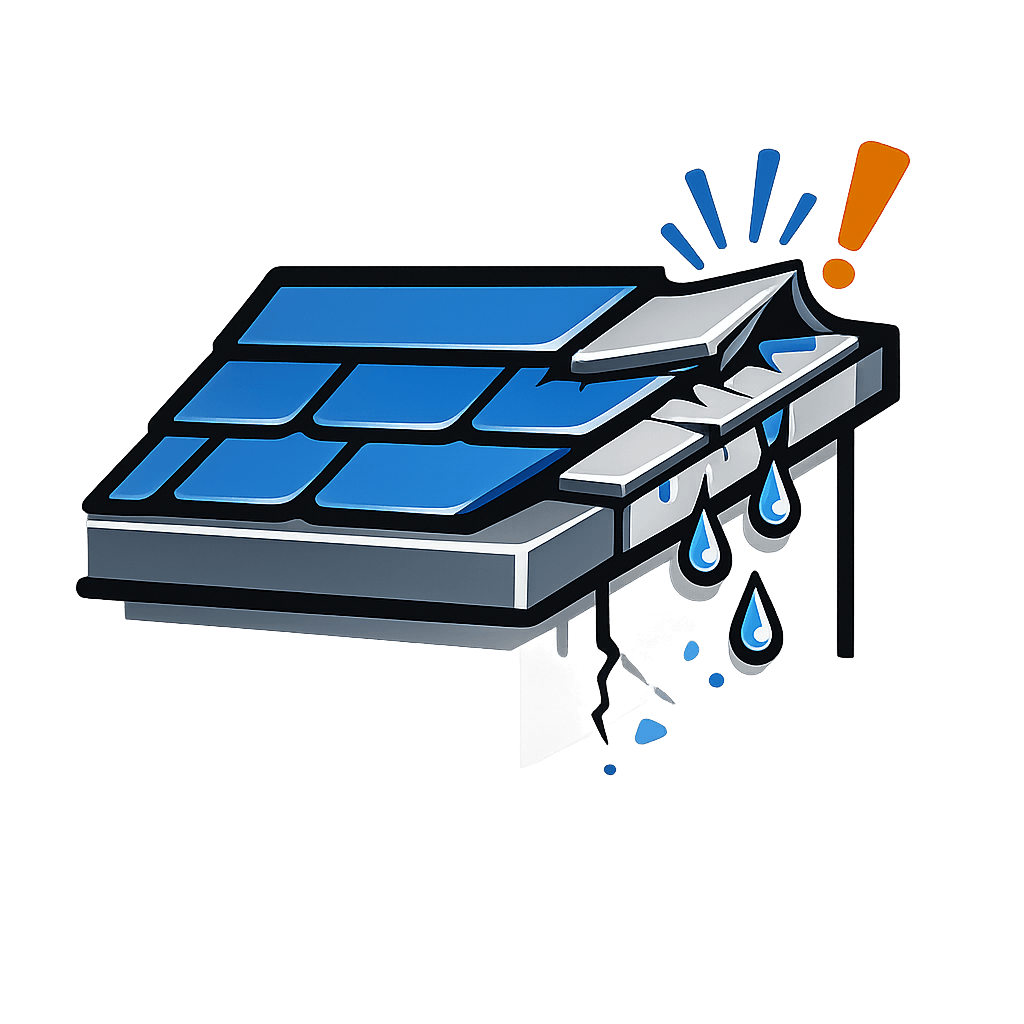
Flashing separation
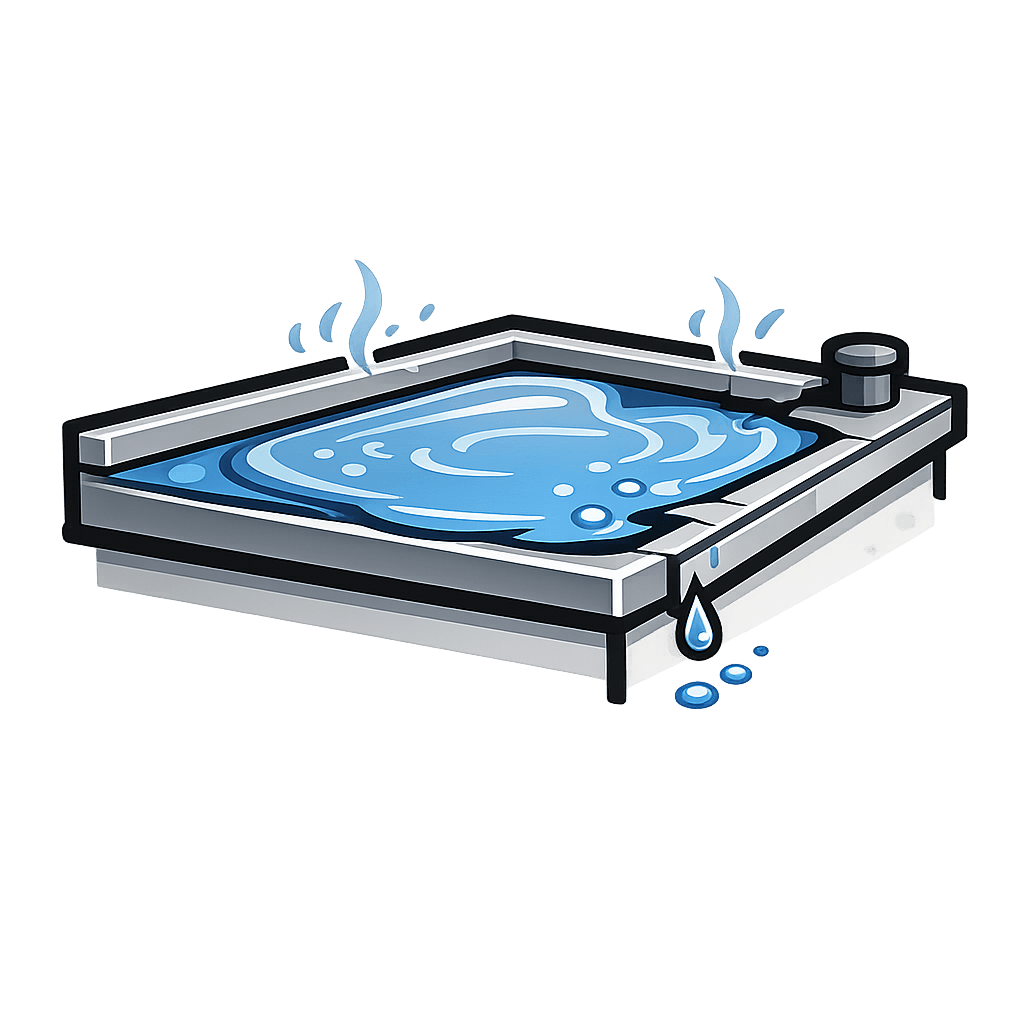
Ponding water
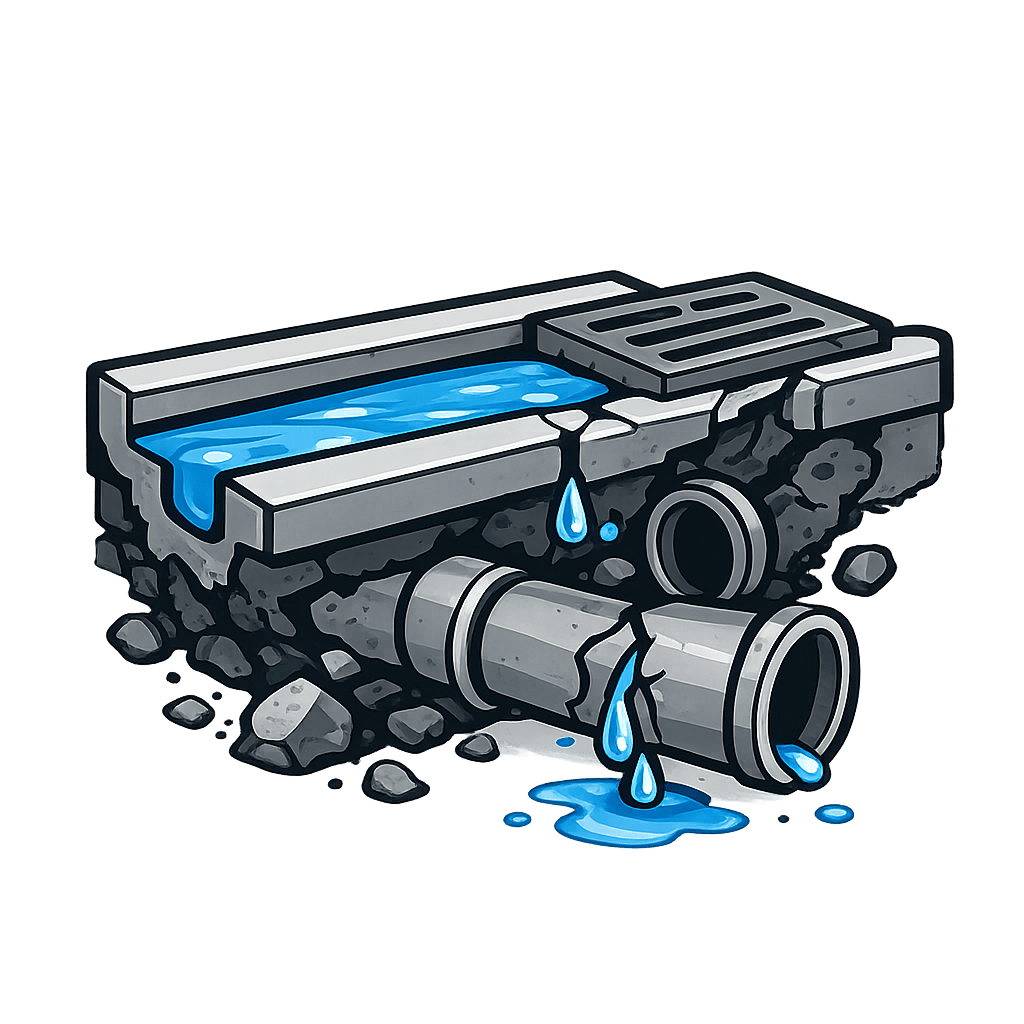
Drainage failures
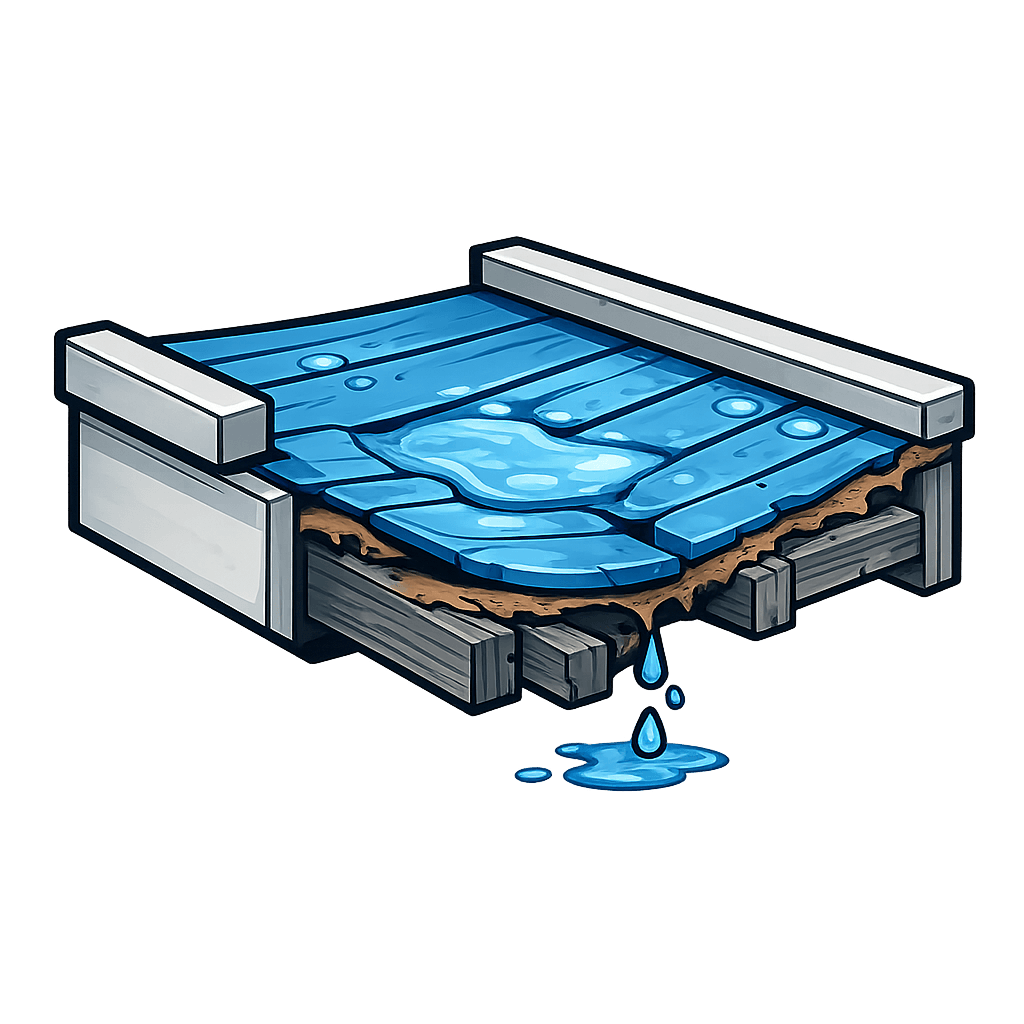
Soft decking areas
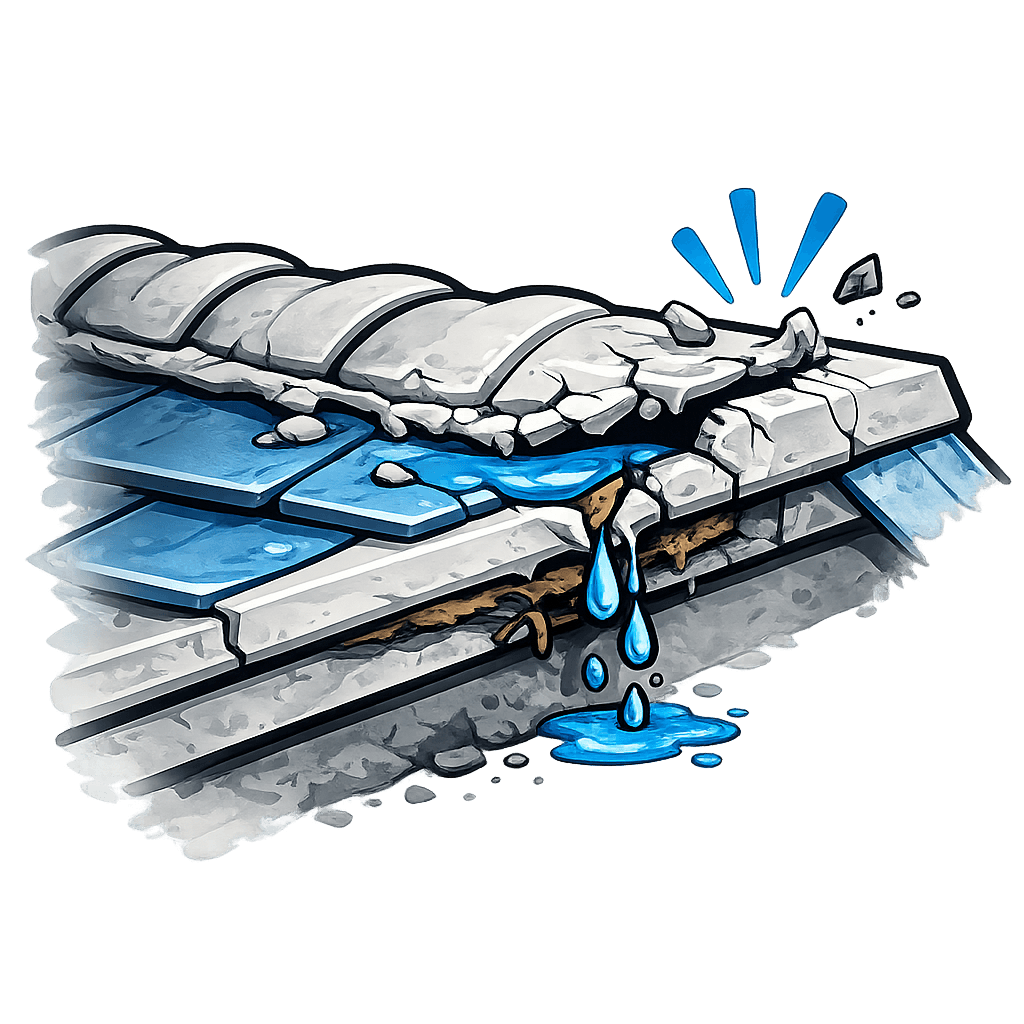
Sealant deterioration
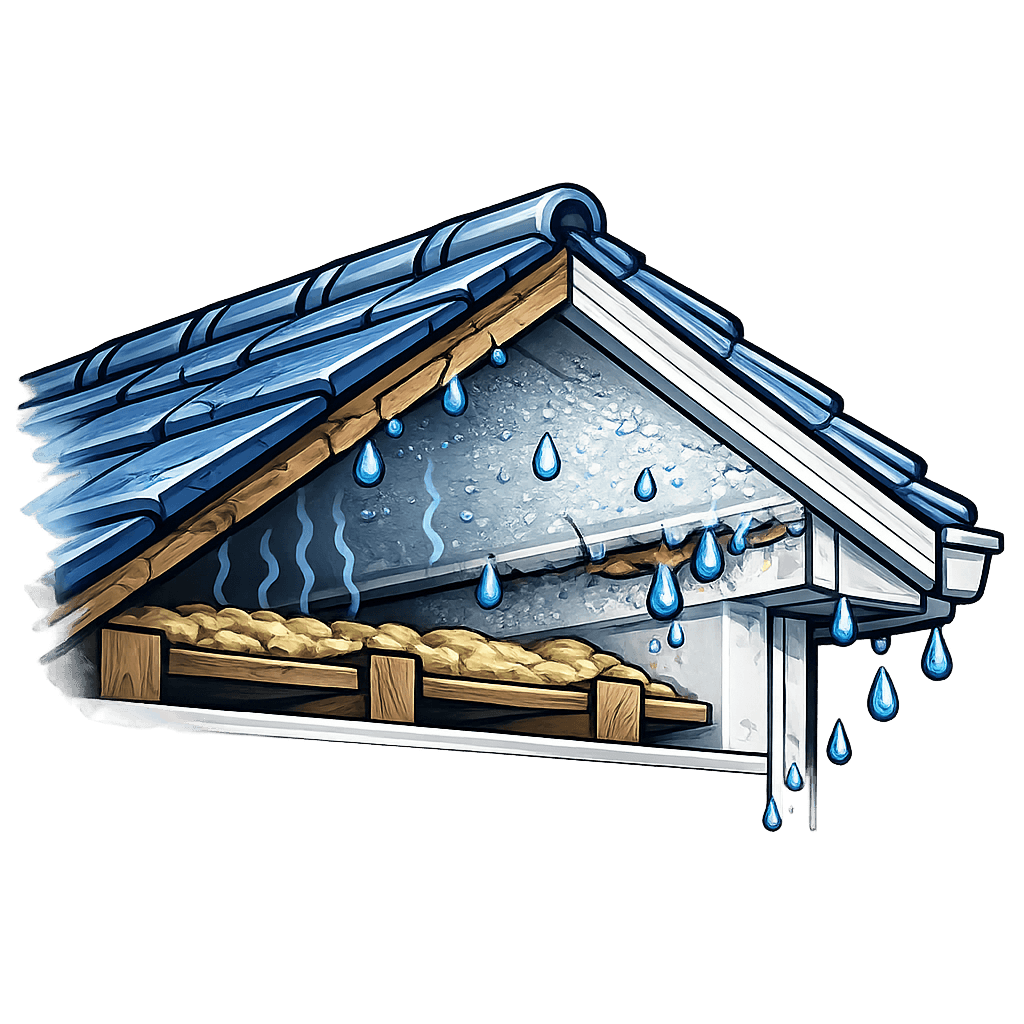
Condensation-related problems
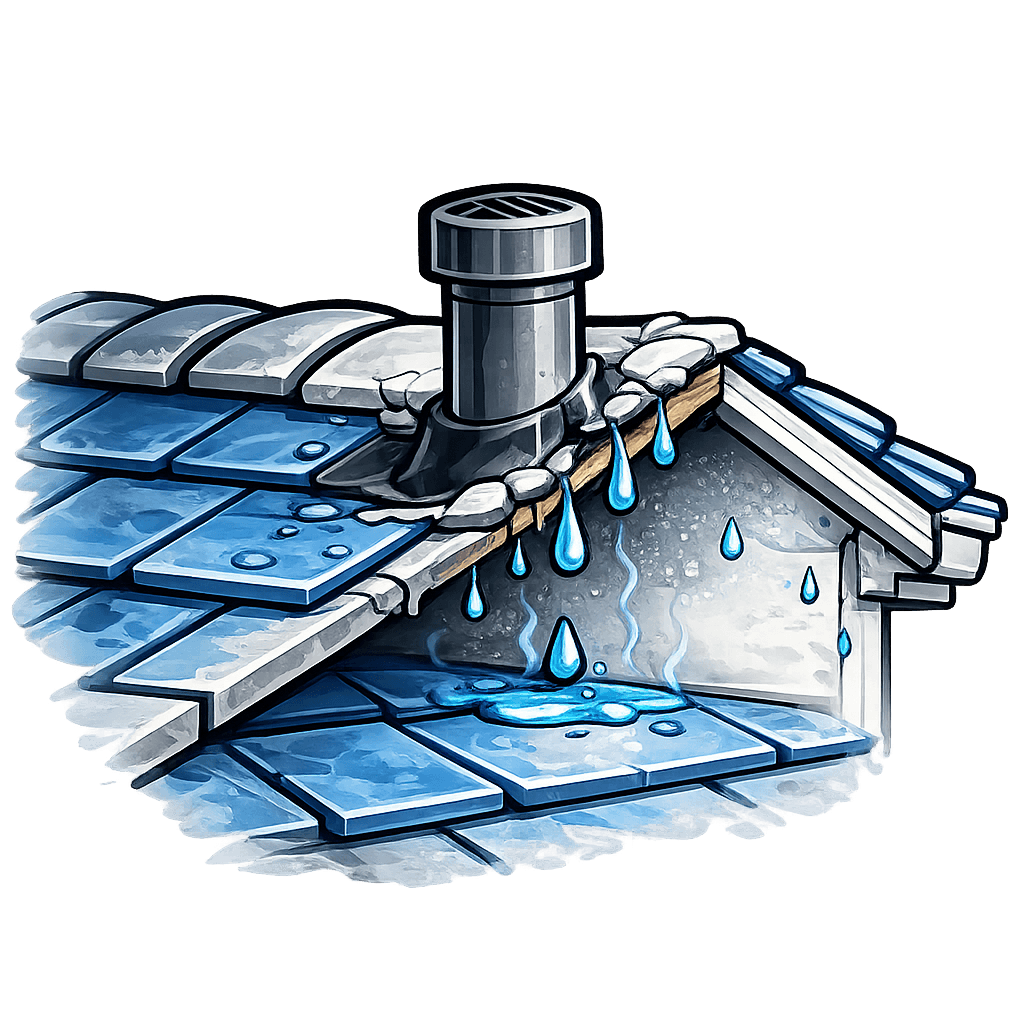
Rooftop penetration issues
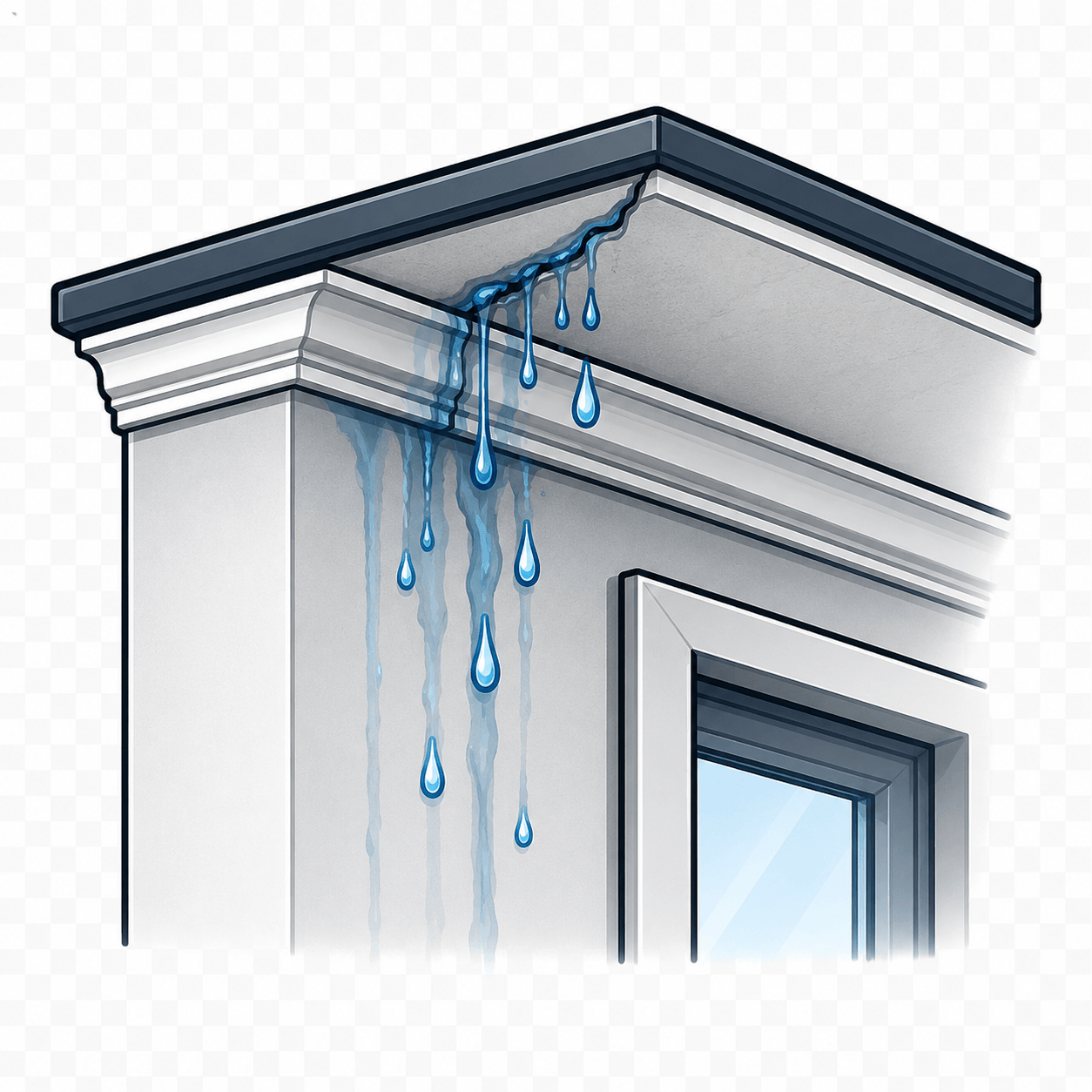
Interior leak entry points
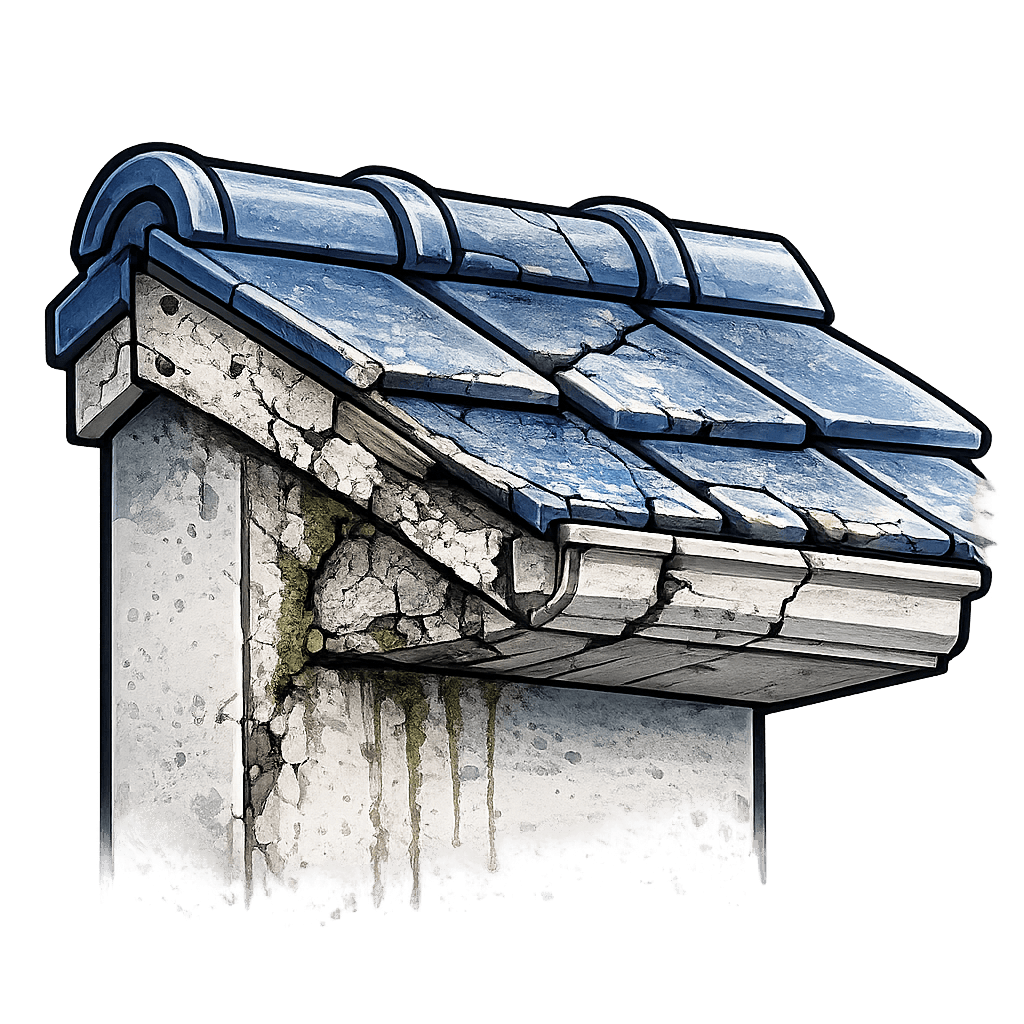
Premature system aging
Many roofing problems develop gradually and may not be visible from the ground until interior damage appears.
Repair or Replace? We’ll Show You the Difference
One of the biggest concerns property owners have during a roof inspection is whether the roof actually needs replacement.
In many cases, targeted repairs or maintenance may extend the life of the roofing system significantly. In other situations, repeated repairs may no longer be cost-effective.
A common industry rule of thumb is that when repair costs begin approaching roughly 25–35% of the cost of full replacement — especially on an older roof — replacement may provide better long-term value and lower future risk.
However, repair vs replacement decisions are rarely based on one number alone. Other important factors include:
Roof age
Leak frequency
Extent of deterioration
Storm damage severity
Remaining useful life
Drainage performance
Material compatibility
Code requirements
Availability of matching materials
Long-term maintenance costs
Our goal is to provide realistic guidance based on the actual condition of the roofing system so property owners can compare repair, restoration, maintenance, and replacement options with clearer long-term expectations.
The Low-Risk Choice for Roofing for Over 100 Years!
Roofing isn’t just about materials — it’s about choosing the right contractor.
Over a Century of Stability
Serving Chicagoland since 1917, our roofing company has been built on four generations of ownership with a fifth on the way — giving property owners long-term confidence we’ll be here when they need us.
Documentation-Driven Process
Detailed inspections, photos, and clear scopes of work so you always understand what’s being done and why.
Built for Commercial Complexity
From industrial buildings to high-rise properties (up to 30 stories), we handle complex roofing projects with structured planning and execution.
Residential Roofing Done Right
Clean job sites, respectful crews, and workmanship backed by a 5-year workmanship guarantee and manufacturer warranties.
No Surprises
No hidden costs. No disappearing crews. No confusion. Just a clear process from start to finish.
Financing Options Available
Flexible financing solutions to help you move forward without delay.
Real Roofing Projects from a Trusted Chicago Roofing Company
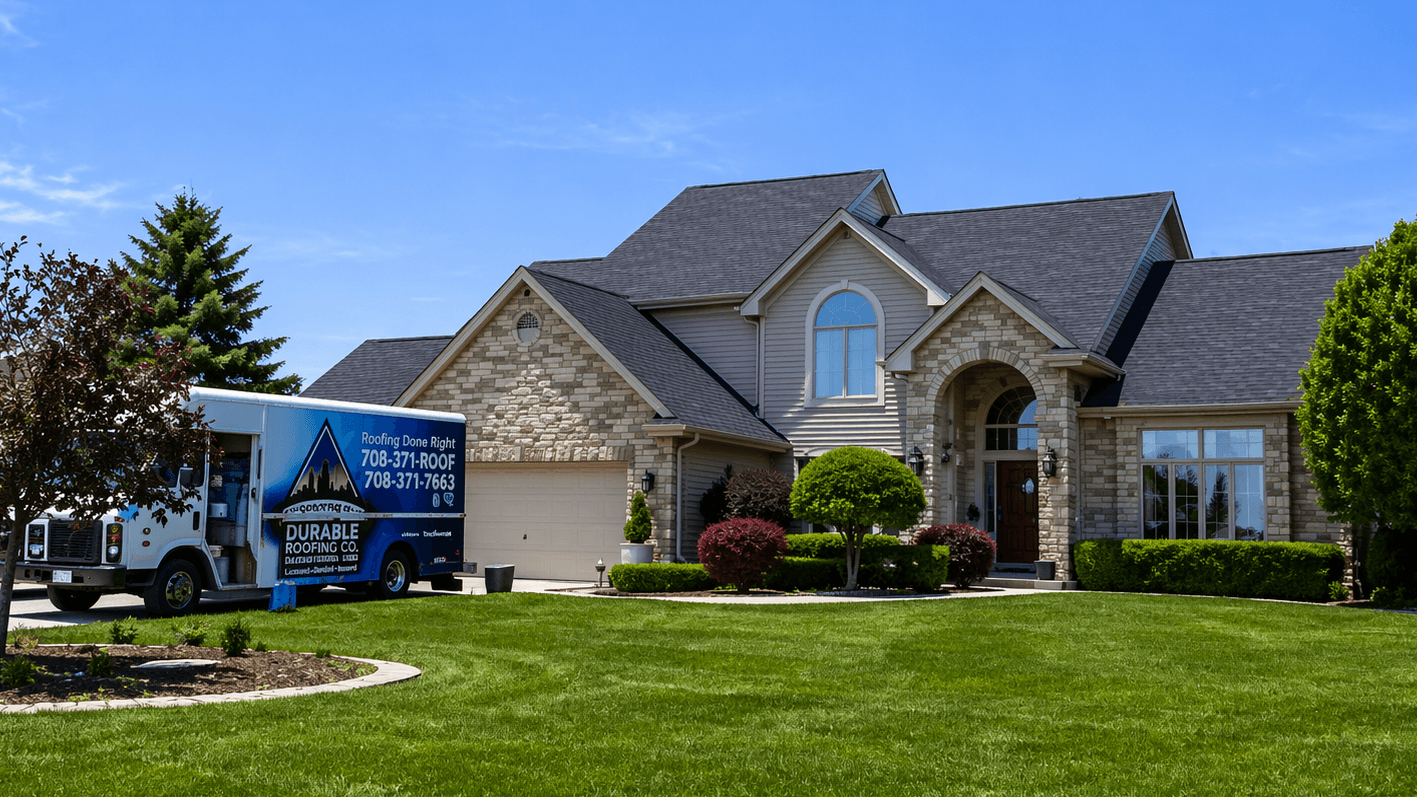
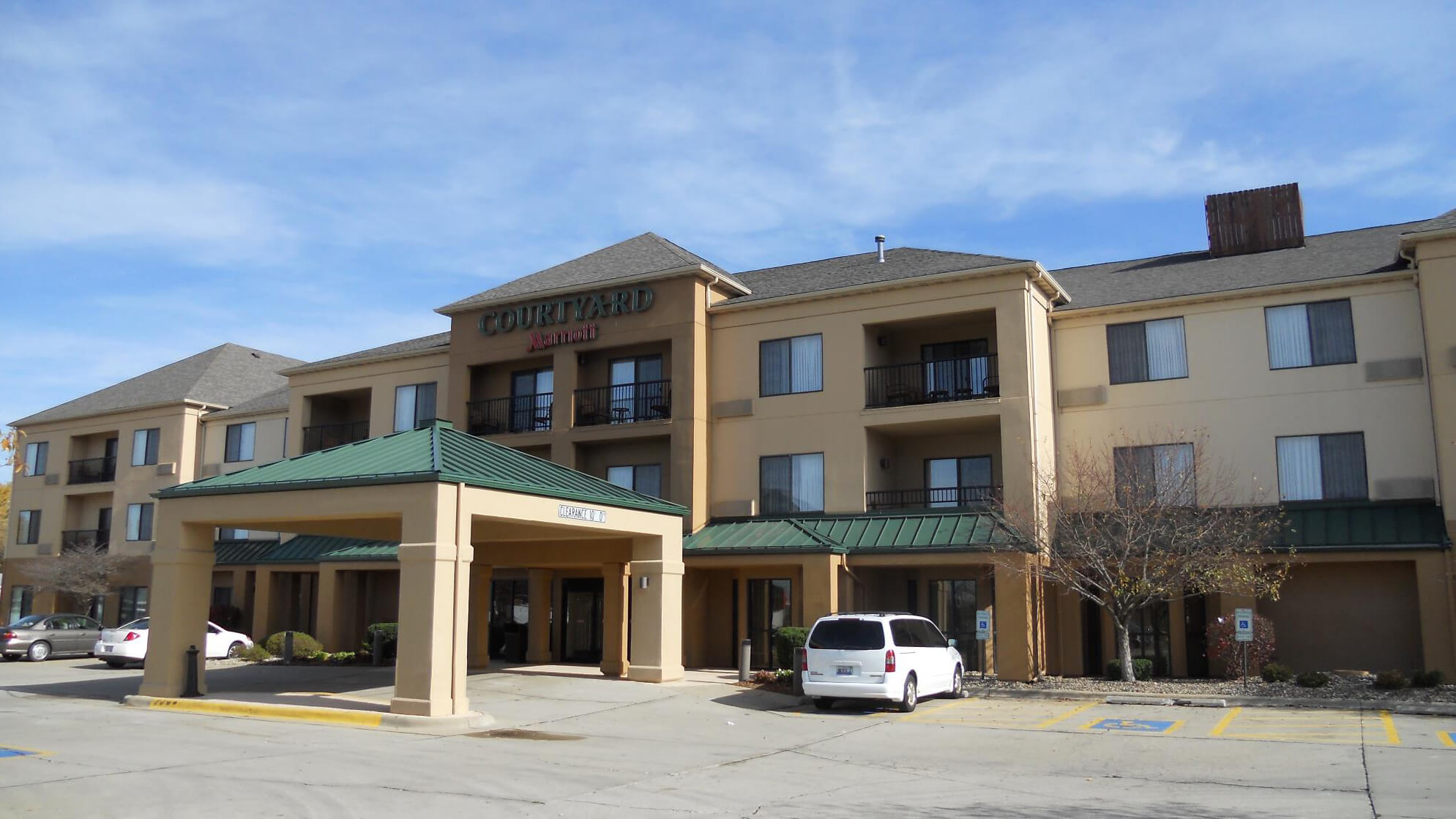
Trusted by Property Owners Across Chicagoland





















Our Roof Inspection Process
1
On-Site Roof Evaluation
We inspect roofing materials, drainage areas, flashing details, penetrations, and visible problem areas.
2
Documentation & Findings
Photos and documented observations help identify current issues and potential future concerns.
3
Repair vs Replace Recommendations
We explain practical next-step options based on the roof’s condition, age, and long-term performance expectations.
4
Clear Next Steps
You receive straightforward recommendations designed around long-term roof performance and risk reduction.
You receive straightforward recommendations designed around long-term roof performance and risk reduction.
Commercial Flat & Low-Slope Roof Inspections
Commercial flat roofing systems often develop problems long before visible interior leaks appear.
Durable Roofing Co. inspects systems including:
- TPO roofing
- PVC roofing
- EPDM roofing
- Modified bitumen roofing
- Low-slope commercial roofing systems
Flat roof inspections commonly focus on:
- Ponding water
- Open seams
- Flashing details
- Drainage performance
- Rooftop penetrations
- Membrane deterioration
- HVAC interaction points
Both residential and commercial roof inspections help property owners make more informed roofing decisions before problems become more expensive.
For warehouses, industrial facilities, medical offices, condo buildings, and commercial properties, documented inspections help reduce unexpected roofing costs and operational disruption.
Serving the Southwest Chicago Suburbs & Surrounding Areas
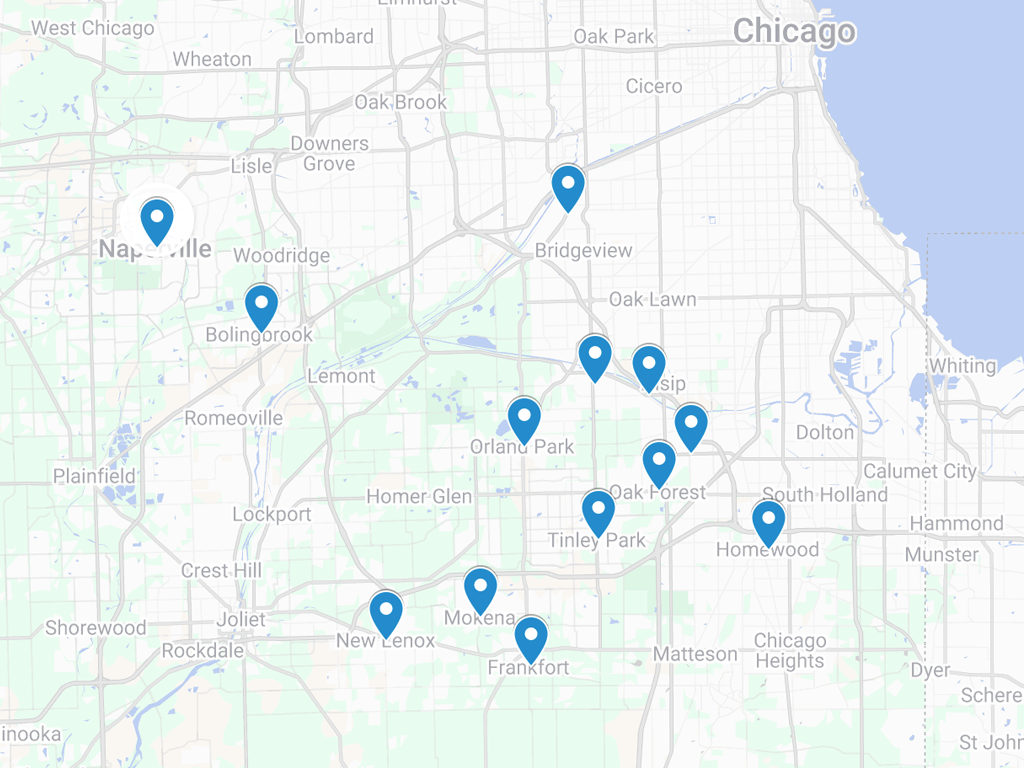
- Midlothian
Tinley Park
Orland Park
- Frankfort
- New Lenox
- Oak Forest
- Crestwood
- Palos Heights
- Mokena
- Homewood
- Bedford Park
- Bolingbrook
- Naperville
- Homer Glen
- Romeoville
Frequently Asked Questions
How often should a roof be inspected?
Most residential and commercial roofs should be professionally inspected at least once per year and after major storms. Older roofs, flat roofing systems, and buildings with recurring leak history may require more frequent inspections to identify developing issues before they create interior damage or larger repair costs.
What does a roof inspection include?
A roof inspection typically includes evaluation of roofing materials, flashing, penetrations, drainage systems, visible damage, leak-prone areas, and signs of aging or deterioration. Commercial inspections may also include photo documentation, maintenance recommendations, and condition reporting for budgeting or property management purposes.
Can a roof inspection detect leaks?
A professional roof inspection can often identify the source of active leaks, water intrusion pathways, drainage problems, flashing failures, or roofing system deterioration contributing to moisture issues. Some leaks originate from areas not immediately visible from the interior, which is why a full roof evaluation is important.
Do I need a roof inspection after a storm?
Yes. Wind, hail, and heavy rain can damage roofing systems without creating immediate visible leaks. Storm-related damage may include lifted shingles, flashing movement, membrane punctures, drainage issues, or hidden moisture intrusion that worsens over time if left unaddressed.
How do I know if I need roof repair or roof replacement?
A roof inspection helps determine whether repairs, restoration, maintenance, or full replacement makes the most long-term sense. One common industry guideline is that when repair costs begin approaching roughly 25–35% of replacement cost on an aging roof, replacement may become the more practical long-term investment. Roof age, leak history, material condition, drainage performance, and remaining lifespan are all important factors in the recommendation process.
Are commercial roof inspections different from residential inspections?
Yes. Commercial inspections often involve flat or low-slope systems, rooftop equipment interactions, drainage analysis, maintenance planning, documentation requirements, and operational considerations. Residential inspections typically focus more on shingles, flashing, storm damage, attic ventilation, and visible signs of aging or water intrusion.
How long does a roof inspection take?
Inspection time depends on roof size, complexity, accessibility, and roofing system type. Smaller residential inspections may take less than an hour, while larger commercial or industrial properties can require more extensive evaluation and documentation time.
Schedule a Roof Inspection
Whether you own a home, commercial building, industrial facility, condo property, or multi-unit complex, a professional roof inspection provides clearer visibility into the condition and remaining life of your roofing system.
Durable Roofing Co. has been serving Chicagoland property owners since 1917 with a structured, documentation-driven approach focused on long-term roof performance and predictable recommendations.
Durable Roofing Co. has been serving Chicagoland property owners since 1917 with a structured, documentation-driven approach focused on long-term roof performance and predictable recommendations.
Trusted Roofing Systems & Manufacturer Partners
We install and work with industry-leading roofing systems trusted for performance, durability, and long-term reliability.